

Repetitive Strain Treatment in Aberdeen
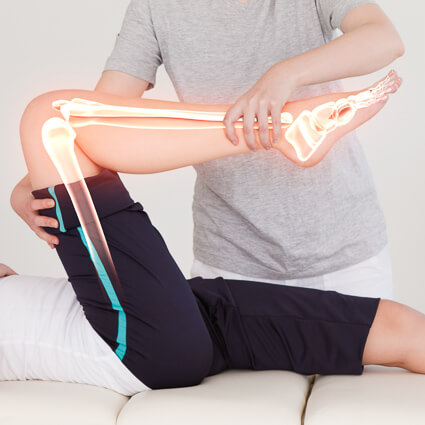 A task that used to feel effortless, such as typing, gripping, or repeating the same motion, can start to feel tender or achy without any single moment you’d call an injury. Repetitive strain can build quietly through small stresses that accumulate over time.
When Small, Repeated Movements Add Up
Repetitive strain and minor soft tissue injuries can develop when a muscle, tendon, or surrounding tissue is used repeatedly without enough time to recover. Unlike a sudden sprain, there’s often no single incident to point to, just a gradual build-up of irritation. The tissues involved may become irritated or sensitised, which can contribute to symptoms that flare with certain movements and settle with rest.
How Repetition Outpaces Recovery
These injuries tend to develop when the same movement is repeated often, without enough variation or recovery time. Common factors that may be linked to repetitive strain include:
- Repeating fine or forceful movements without breaks
- A sudden increase in activity or workload
- Poor technique during repetitive tasks
- Limited variation in movement throughout the day
- Not allowing enough recovery time between sessions
The Tenderness That Flares With Certain Movements
Minor repetitive strain may present as localised tenderness or a dull ache around the affected muscle or tendon, often worse during or just after the triggering movement. Some people also notice mild swelling, stiffness, or a feeling of weakness in the area. Symptoms may ease with rest but return when the same task is resumed.
When Rest Isn’t Enough to Settle It
If discomfort keeps returning when you resume your normal activity, or it’s starting to affect your grip or strength, it may be worth having the area assessed rather than continuing to work through it.
Getting Back to Your Usual Activities
Your practitioner can guide you on gradually returning to activities that aggravate the area. Pacing, technique changes and regular movement breaks may form part of your plan, depending on what’s behind the strain.
Addressing the Tissue and Movement Patterns
Treatment at Aberdeen Chiropractic Clinic may focus on the affected tissues, flexibility and movement patterns that could be contributing to the problem. Care may include soft tissue therapy, trigger point release and joint mobilisation. Depending on the injury, kinesio taping may also be considered, alongside ergonomic advice and strengthening exercises.
Gentle stretching, regular movement breaks and pacing repetitive tasks may also form part of your plan.
Frequently Asked Questions
How long do minor repetitive strain injuries take to heal?
Should I stop the activity that’s causing the strain completely?
What is kinesio taping used for?
Have Your Repetitive Strain Assessed
If a repetitive task keeps leaving you sore or tender, we can assess the area and look at factors that may be contributing. Book an assessment today and discuss a plan based on your work, activities and individual needs.
